

Blog
What Is Chicken Karahi? Everything You Need to Know

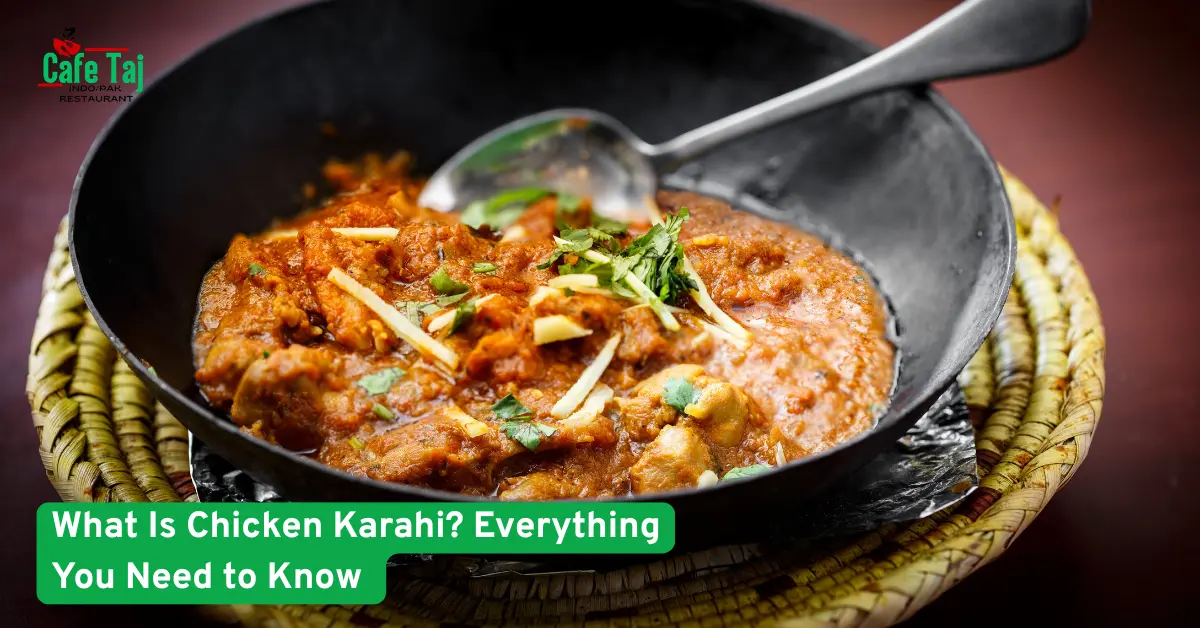
Chicken Karahi is one of the most iconic and beloved dishes in Pakistani and North Indian cuisine. Known for its bold flavors, rich tomato-based gravy, and fragrant spices, Chicken Karahi has become a favorite in homes and restaurants around the world. Whether you are new to South Asian food or already a fan of spicy dishes, Chicken Karahi is a must-try meal that perfectly represents the essence of traditional cooking.
In this article, we will explore everything you need to know about Chicken Karahi—its origins, ingredients, cooking method, variations, and why it is such a popular dish.
The Origin of Chicken Karahi
Chicken Karahi originated in the Indian subcontinent, particularly in Pakistan and North India. The dish is named after the “karahi”, a thick, circular cooking pot similar to a wok that is traditionally used to prepare it.
The karahi pot allows the ingredients to cook quickly at high heat while preserving their natural flavors. Because of this cooking style, the dish develops a rich texture and intense aroma.
Historically, Chicken Karahi became popular in roadside restaurants known as dhaba in Pakistan. These roadside eateries would cook the dish fresh in front of customers, using simple ingredients like chicken, tomatoes, garlic, ginger, and green chilies. Over time, it spread to fine dining restaurants and homes across the world.
Today, Chicken Karahi is considered one of the most famous Pakistani dishes and is commonly served in Pakistani restaurants globally.
What Makes Chicken Karahi Unique?
Unlike many curries that use heavy cream or complex spice blends, Chicken Karahi focuses on fresh ingredients and simple spices.
The key features that make Chicken Karahi unique include:
Fresh tomatoes instead of heavy sauces
The gravy is usually made from fresh chopped tomatoes rather than creamy bases.
High-heat cooking
Chicken Karahi is cooked quickly on high flame in a karahi pan.
Bold aromatic spices
The dish uses ingredients like ginger, garlic, cumin, coriander, and garam masala.
Minimal gravy
Unlike traditional curries, karahi dishes usually have thick gravy rather than watery sauce.
Fresh garnish
It is commonly topped with fresh ginger slices, cilantro, and green chilies.
These elements create the signature spicy, tangy, and aromatic flavor that people love.
Main Ingredients Used in Chicken Karahi
Although recipes can vary slightly, traditional Chicken Karahi usually includes the following ingredients:
Chicken
Bone-in chicken pieces are most commonly used because they add more flavor to the dish.
Tomatoes
Fresh tomatoes form the base of the gravy and give the dish its rich texture.
Garlic and Ginger
These ingredients provide strong aromatic flavor and are essential in South Asian cooking.
Green Chilies
Green chilies add heat and freshness to the dish.
Cooking Oil or Ghee
Ghee (clarified butter) is often used in traditional recipes to enhance flavor.
Spices
Common spices include:
-
Cumin
-
Coriander
-
Red chili powder
-
Garam masala
-
Black pepper
-
Salt
Fresh Herbs
Fresh cilantro and ginger juliennes are typically used as garnish.
These ingredients combine to create the bold and distinctive taste of Chicken Karahi.
How Chicken Karahi Is Traditionally Cooked
The cooking process of Chicken Karahi is relatively simple but requires the right technique.
Step 1: Heating Oil or Ghee
First, oil or ghee is heated in a karahi pan over medium-high heat.
Step 2: Cooking the Chicken
Chicken pieces are added and cooked until they start to brown.
Step 3: Adding Garlic and Ginger
Fresh garlic and ginger are added to release aroma and flavor.
Step 4: Tomatoes and Spices
Chopped tomatoes and spices are added and cooked until the tomatoes break down into a thick sauce.
Step 5: Simmering
The mixture is simmered until the chicken becomes tender and the oil begins to separate from the gravy.
Step 6: Garnishing
Fresh green chilies, ginger slices, and cilantro are added before serving.
The entire process usually takes 30 to 40 minutes, making it a quick yet flavorful dish.
Popular Variations of Karahi
Over time, chefs and home cooks have created several variations of Karahi dishes.
Chicken Karahi
The most popular version made with chicken pieces.
Mutton Karahi
Made with goat or lamb meat, which gives the dish a richer flavor.
Beef Karahi
Prepared with beef chunks and slightly longer cooking time.
White Karahi
A creamy version that includes yogurt or cream.
Peshawari Karahi
A famous variation from Peshawar that uses minimal spices and focuses on natural meat flavor.
Each version has its own unique taste but follows the same cooking concept.
How Chicken Karahi Is Served
Chicken Karahi is typically served hot and fresh directly in the karahi pan.
Common accompaniments include:
-
Naan
-
Roti
-
Tandoori bread
-
Steamed rice
-
Salad
-
Yogurt raita
The bread is used to scoop up the thick gravy and tender chicken pieces.
In many Pakistani restaurants, the dish is served family-style so everyone at the table can share.
Why Chicken Karahi Is So Popular
Chicken Karahi has gained worldwide popularity for several reasons.
Rich Flavor
The combination of spices, tomatoes, and fresh herbs creates a bold and satisfying taste.
Fresh Cooking Style
The dish is often cooked fresh to order, making it more flavorful.
Simple Ingredients
It uses everyday ingredients but produces complex flavor.
Cultural Significance
Chicken Karahi is commonly served at family gatherings, celebrations, and special occasions.
Versatility
The dish can be adjusted for mild or spicy taste depending on preference.
Because of these factors, Chicken Karahi remains a favorite dish among food lovers everywhere.
Tips for Enjoying the Best Chicken Karahi
If you want to experience authentic Chicken Karahi, consider these tips:
-
Choose restaurants that cook the dish fresh rather than reheating it.
-
Look for recipes that use fresh tomatoes instead of canned sauces.
-
Enjoy it with freshly baked naan or roti.
-
Add lemon juice for extra tangy flavor.
The freshness of ingredients plays a major role in the final taste.
Final Thoughts
Chicken Karahi is more than just a dish—it is a symbol of South Asian culinary tradition. With its rich tomato gravy, fragrant spices, and tender chicken, this dish perfectly represents the bold flavors of Pakistani and Indian cuisine.
Whether enjoyed at a restaurant or cooked at home, Chicken Karahi offers a delicious and authentic dining experience. Its simple ingredients, quick cooking method, and unforgettable taste have made it one of the most loved dishes in the world.
If you have never tried Chicken Karahi before, it is definitely worth adding to your list of must-try foods. One bite is enough to understand why this dish continues to capture the hearts of food lovers everywhere.
Frequently Asked Questions (FAQs)
1. What is Chicken Karahi made of?
Chicken Karahi is typically made with chicken, fresh tomatoes, garlic, ginger, green chilies, cooking oil or ghee, and aromatic spices like cumin, coriander, and garam masala. The dish is cooked in a traditional karahi pan at high heat to create a thick, flavorful gravy.
2. Why is it called Chicken Karahi?
The dish gets its name from the karahi, a deep circular cooking pot similar to a wok. This pan is commonly used in Pakistani and North Indian cooking and allows the dish to cook quickly while enhancing the flavors of the ingredients.
3. Is Chicken Karahi very spicy?
Chicken Karahi can be mild, medium, or spicy depending on how it is prepared. Traditional recipes include green chilies and red chili powder, but the spice level can easily be adjusted to suit personal taste.
4. What do you eat with Chicken Karahi?
Chicken Karahi is usually served with naan, roti, or tandoori bread. Some people also enjoy it with steamed rice, fresh salad, or yogurt raita to balance the spices.
5. What is the difference between Chicken Karahi and Chicken Curry?
The main difference is in the cooking method and ingredients. Chicken Karahi uses fresh tomatoes and minimal gravy, while chicken curry often includes onions, yogurt, cream, and a thicker sauce. Karahi is also cooked at higher heat, giving it a stronger and fresher flavor.